
Divers who have been unlucky enough to experience ear discomfort or even infections often seek out earplugs as a potential solution for these issues.
They’re designed to keep water out of your ears, which can help prevent ear infections and the condition known as swimmer’s ear.
But not all earplugs are suitable for scuba diving.
That’s why it’s essential to look for earplugs specifically designed for diving, which balance pressure and still protect your ears from water.
However, there are also alternatives you can consider. In this article, I’ll break down the best earplugs for diving, suitable alternatives, and how to best protect your ears when diving.
Best Ear Plugs For Diving
Doc’s Proplugs

Docs proplugs have been around for over thirty years and are the most well-known and popular brand of vented earplugs for scuba diving.
Doc’s Proplugs are preformed earplugs made from a soft, hypoallergenic plastic called Dynaflex.
When you pop them into your ears, they warm up and mold to your unique ear shape, which means you get a custom fit every time you dive.
They come in multiple different sizes, so the majority of people will be able to get a good fit, which is going to be optimal for keeping water from flushing in and out of your ears.
It also means that you can find a pair that fits you comfortably, and you can wear for long periods, without distraction – so important!
Pros
- Comfort: Their soft material and body heat adaptability make them snug and comfy.
- Hypoallergenic: Good news if you’ve got sensitive skin, since they’re latex-free!
- Reusable: With proper care, you’ll be using them dive after dive.
- Venting: A small amount of water is allowed in, which equilibrates pressure and can prevent ear issues like swimmers’ ear.
Cons
- One-size-fits-all: They’re preformed, so they won’t be a perfect fit for everyone.
What Are The Benefits Of Wearing Earplugs For Diving
Wearing the right kind of earplugs can be a game-changer for some divers, providing a mix of comfort, help with pressure changes, and overall ear protection.
- Earplugs can help minimize the risk of ear infections or prevent swimmer’s ear, which happens when water camps out in your ear canal for too long.
- Comfort. Earplugs can provide much-needed comfort when diving multiple times over a short period, and also keep cold water out of your ears
- Pressure changes. Diving earplugs are vented, and the process of slowing down the water flow can help you adjust to pressure changes without affecting your ability to equalize.
- Protection, they can be a barrier against tiny particles or organisms in the water that fancy a new home in your ear canal.
Alternatives To Earplugs
IST Pro Scuba Mask With Ear Covers
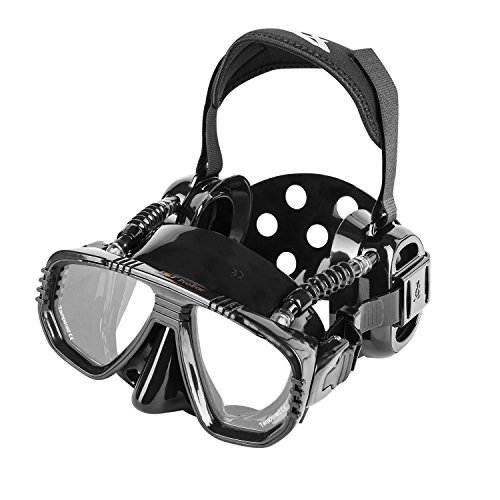
The IST Pro mask with ear covers helps prevent water from entering your ears, greatly reducing the risk of ear problems.
Here’s how the mask works, what you should know about this mask:
The covers form a water-tight seal over the ears, creating an air pocket which is connected to the mask’s main air space.
As you descend, air from the mask flows into the ear cups via small vents, which equalizes the pressure in the ear pockets.
This means that the ambient pressure experienced in your middle ear and outer ear is the same and the squeeze from the ambient environment will be reduced.
Other benefits include:
- Protection: The diminished direct exposure to water helps to keep ears warm and dry (and therefore reducing the change of swimmers ear/infections.)
- Comfort: They create an additional layer of comfort since there’s less water pressure tugging and pushing against your ears.
When choosing your own scuba mask, here’s what to keep in mind:
- Fit: Ensure a snug, yet comfortable fit. Your mask shouldn’t feel like it’s giving you a bear hug, nor should it feel like it’s about to lose an underwater race.
- Durability: You want a mask that will withstand the rigors of diving. It’s not just a one-time fling but a long-term relationship.
pros
- Prevents pressure induced ear ache
- Keeps the ears warm in cold water
- Pressure equalization is achieved more easily
cons
- It’s quite expensive, (though you would say the investment is worth it if it prevents ear trouble)
Proper Post-Dive Ear Care
Ear pain and infection are caused by cold exposure and the erosion of delicate ear tissue and wax in the ear canal.
So taking care of your ears after a dive is crucial to prevent discomfort and infections, so let’s chat about how you can pamper those ears of yours post-dive.
First things first, rinse your ear canal gently with clean, fresh water to wash away any salt or bacteria.
This simple step alone can be a game-changer in keeping ear infections at bay. But keep it gentle; you’re not aiming for a high-pressure hose down here!
Now, it’s totally normal for some water to get trapped in your ears, but you don’t want it to stay there.
Tilting your head and pulling on your earlobe can encourage this water to drain out.
And for an extra helping hand, try using ear drops designed for divers, or you can whip up a homemade solution of your own.
Let’s talk about earwax – it’s there to protect your ears, but too much of a good thing can lead to problems.
If you’re prone to wax build-up, consider using over-the-counter ear wax removal drops before your dive trips. A clean ear canal can help you equalize pressure more effectively.
Lastly, pay attention to your body. If you’re experiencing ear pain or discomfort after a dive, don’t just brush it off.
Your ears are trying to tell you something! It may be an early sign of an ear infection or eustachian tube trouble, so seeking medical advice is your best course of action.
Ear Beer
No, it’s not the latest craft brew, but rather your homemade solution for keeping ear infections at bay.
To whip up a batch of Ear Beer, all you need is a mixture of alcohol and vinegar.
The alcohol wards off bacteria, while the vinegar balances the pH in your ears to keep those nasty infections away.
Here’s how you use it: After diving, tilt your head and pour a few drops into each ear canal. Then, wiggle your ear around a bit to let the mixture do its magic before draining it out. Voilà! That’s all there is to it.
Fellow divers have shared their success stories with Ear Beer, noting how it’s a quick and efficient preventative measure.
Remember, an ounce of prevention is worth a gallon of cure when you’re miles from shore or deep into your dive vacation itinerary.
Are Diving Earplugs Safe To Use?
Earplugs are a commonly used accessory among divers every day.
But whether they’re safe to use is a common concern. So the big question is: are earplugs a safe solution?
Well DAN (the Divers Alert Network) says no, and advises against the use of earplugs for diving.
And they mean ALL earplugs – even the ones that are especially designed for scuba diving.
DAN recommends against using earplugs because even the special vented plugs could become blocked (by debris, or ear wax, etc), and if that happens, they pose the same risks as non-vented earplugs.
There’s also very limited to no independent testing having been conducted on their use, so there just isn’t any data available for DAN to be able to recommend them as a safe option.
Now, with that being said, lots and lots of divers still use vented ear plugs for diving each and every day, and haven’t had any issues with them.
So my recommendation to you would be, do you feel as though you need them?
If the answer is no, then skip to the bottom of this post, as I have detailed the best alternatives for you.
If you feel as though they are essential because;
- You get ear infections frequently, and nothing seems to be able to prevent that.
- You dive frequently/multiple times a day and suffer from ear pain & discomfort
Then I would say they’re a valid option to consider, provided that you exercise caution, use them as directed, and take very good care of them to ensure the vents are clear.
So, what’s the takeaway?
- Always choose earplugs intended for diving. Look for those that specifically state they allow for equalization.
- Practice equalizing with them before taking the big plunge.
- Clean them thoroughly after EVERY dive


